
In Vitro Fertilization (IVF) has helped millions of individuals and couples achieve their dream of parenthood. However, despite its success, many misconceptions and myths continue to circulate about the process, leading to confusion and unnecessary stress for those considering it. Let’s debunk some of the most common IVF myths and separate the facts from fiction.
Myth 1: IVF is Always Successful on the First Attempt
Fact: IVF success varies, and it may take multiple attempts.
One of the most common misconceptions about IVF is that it guarantees immediate success. While IVF has improved tremendously over the years, it is not a miracle cure, and success is not guaranteed after a single cycle. Success rates depend on various factors, including the patient’s age, underlying fertility issues, and the quality of the eggs and sperm.
- For women under 35, the success rate per cycle is about 40-50%.
- For women over 40, the success rate drops to 10-15% per cycle.
Many couples may need to go through more than one cycle before achieving pregnancy, so patience and persistence are often necessary.

Myth 2: IVF Leads to Multiple Births (Twins or Triplets) Every Time
Fact: Single embryo transfer reduces the likelihood of multiples.
While it’s true that IVF used to result in higher rates of twins and triplets due to the transfer of multiple embryos, medical advancements have made it possible to control the number of embryos transferred more carefully. Today, many clinics recommend single embryo transfer (SET) to minimize the risk of multiple births.
Electing to transfer a single embryo can significantly reduce the chances of having twins or triplets, resulting in safer pregnancies for both the mother and the baby.

Myth 3: IVF is Only for Wealthy Couples
Fact: There are various financing options and support available.
Another myth is that IVF is prohibitively expensive and only accessible to the wealthy. While IVF can be costly, many fertility clinics offer financing options, payment plans, or loans. Additionally, some insurance plans cover part or all of the treatment costs, depending on your location and policy.
In some countries or states, government programs and grants may also help cover the cost of fertility treatments. It’s essential to research what financial assistance may be available to you.

Myth 4: IVF is the Only Fertility Treatment Available
Fact: IVF is one of many fertility treatments.
IVF is not the only option for individuals or couples struggling with infertility. Intrauterine Insemination (IUI), ovulation induction, and fertility medications are some of the other treatments that may be tried before IVF. The choice of treatment depends on the cause of infertility, age, and other medical factors.
IVF is often considered when other treatments have failed or when specific medical conditions, such as blocked fallopian tubes or severe male infertility, make it the best option.
Myth 5: IVF is Only for Women
Fact: IVF can help men with infertility issues too.
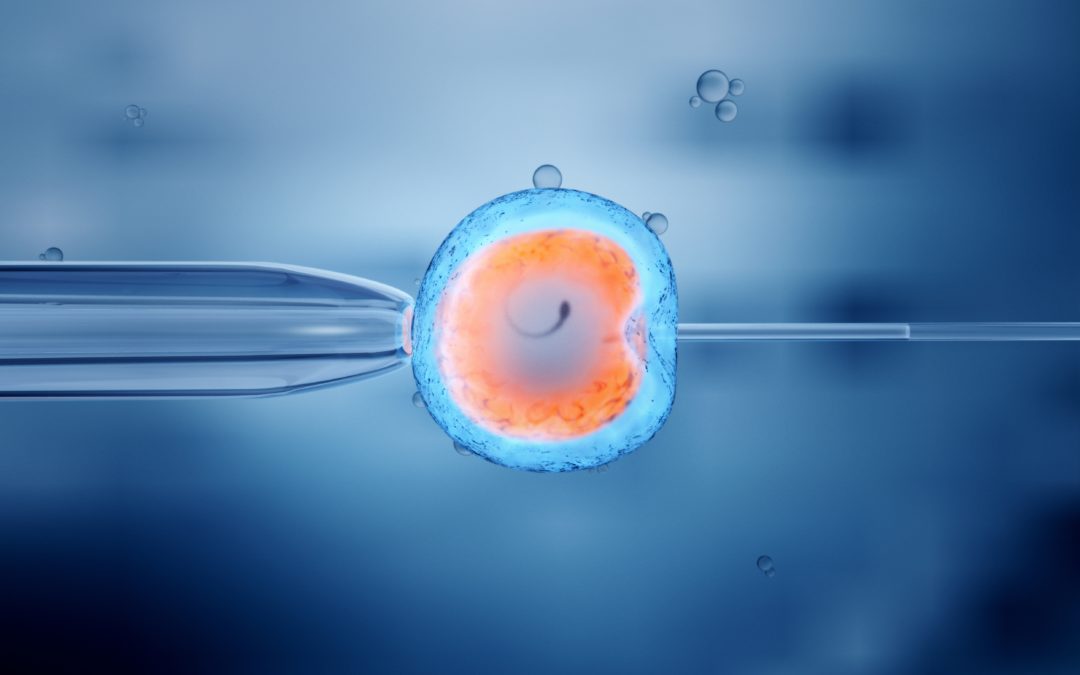
IVF is often viewed as a treatment focused solely on women, but male infertility is a significant factor in about 40-50% of all infertility cases. IVF can help address male infertility by using techniques such as Intracytoplasmic Sperm Injection (ICSI), where a single sperm is directly injected into an egg.
IVF can be a valuable solution for couples dealing with low sperm count, poor sperm motility, or other sperm-related issues.
Myth 6: IVF Increases the Risk of Birth Defects
Fact: IVF babies are as healthy as babies conceived naturally.
Some people fear that IVF may lead to a higher risk of birth defects or developmental problems, but studies have shown that IVF-conceived babies are just as healthy as those conceived naturally. While there is a slightly higher risk in IVF pregnancies, this is often due to the age of the parents or underlying medical conditions rather than the IVF process itself.
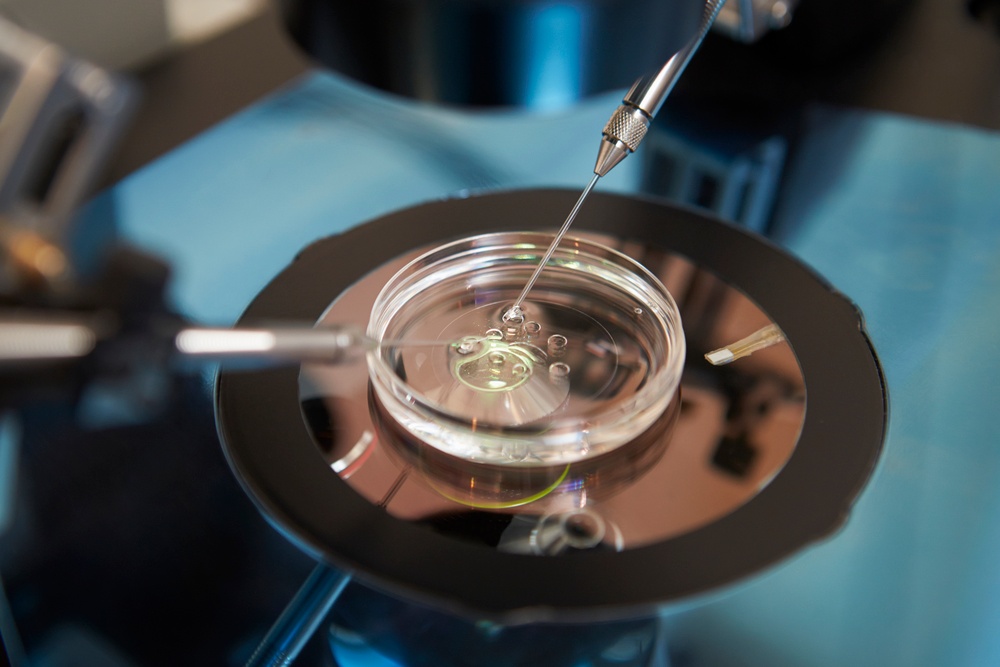
With modern screening techniques, such as Preimplantation Genetic Testing (PGT), many genetic disorders can be identified and prevented before embryo transfer, further reducing risks.
Myth 7: You Can’t Use Donor Eggs or Sperm in IVF
Fact: Donor eggs and sperm are common in IVF treatments.
For women with diminished ovarian reserve or men with severe sperm problems, using donor eggs or sperm can be a viable option. Egg and sperm donation are integral parts of IVF for many couples, and these treatments are commonly used to help people who are unable to conceive with their own eggs or sperm.
Donor eggs and sperm provide a solution for couples struggling with age-related infertility, genetic conditions, or poor egg or sperm quality.

Myth 8: IVF Can Be Done at Any Age
Fact: IVF success rates decline with age.
While IVF has provided hope for women in their 40s and beyond, age is still an essential factor in its success. Women under 35 have significantly higher success rates compared to women in their 40s. As a woman ages, her ovarian reserve (number and quality of eggs) diminishes, which affects the outcome of IVF.
For women over 40, using donor eggs is often recommended to increase the chances of success. It’s important to consult with a fertility specialist to understand how age may impact your specific situation.
Myth 9: IVF Babies Are Not ‘Natural’
Fact: IVF babies are biologically related to their parents.
A persistent myth is that IVF babies are somehow “less natural” than those conceived without medical assistance. In reality, IVF babies are just as biologically related to their parents as any other child. The only difference is the method of conception, where fertilization takes place in a lab rather than inside the body.
The genetic material still comes from the parents (or donors, if necessary), and the pregnancy develops in the mother’s womb, just like any other pregnancy.

Myth 10: IVF is Painful
Fact: IVF involves some discomfort, but it is generally well-tolerated.
Many people worry that IVF is a painful process, but most patients describe the experience as involving mild discomfort rather than intense pain. The most invasive part of the process is the egg retrieval, which is usually performed under light anesthesia. Patients may experience cramping or bloating after the procedure, but these symptoms typically subside within a few days.
The hormone injections required for IVF can cause mood swings or mild discomfort, but most patients tolerate them well with proper medical guidance.
Conclusion
IVF is a life-changing treatment that has helped millions of individuals and couples build their families. By debunking these common myths, we hope to provide a clearer understanding of the process and what to expect. If you’re considering IVF, it’s crucial to consult with a fertility specialist who can guide you through the process, address any concerns, and help you make the best decisions for your journey toward parenthood.